I was reading the latest Customer Experience Index from the UK’s Harris Poll and a few things jumped out from the rankings. First, how poorly the leading digital-first brands scored. Amazon, Netflix and Airbnb are all outside the top 40. Just Eat and Uber are among the worst performers.
Operational efficiency isn’t enough
As a frequent user of four of those brands since they launched, I found this result surprising. I can’t comment on Just Eat but the rest have refined their systems to be ultra-efficient, and I can nearly always find or get what I want, when I want it. So, what’s their problem?
Harris concluded that customers are judging brands more on emotional values. They want brands that are supportive of their needs, that they feel care about them, value them. This is hardly a revelation, the importance of emotion in branding is as old and established as branding itself. This answer is not wrong, but it feels superficial.
The AO effect
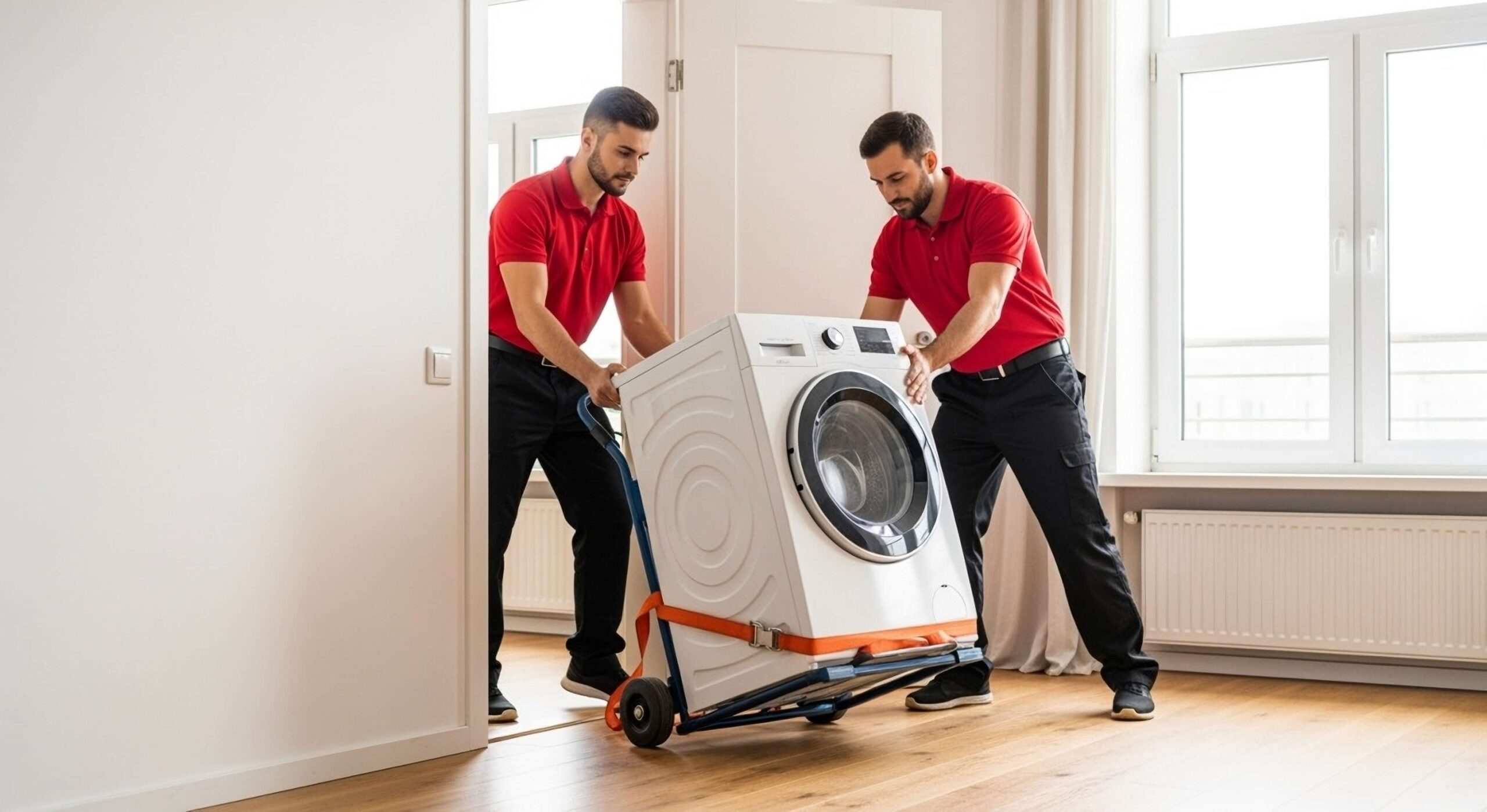
My first clue came when looking at the top 10. The number one ranked brand is AO, the UK’s leading online retailer for home appliances and white goods. If you’ve ever bought from them you’ll know that not only are they very efficient, have good prices and an easy-to-use website, but you will most likely have met some of their employees. I’ve bought a washing machine and a dishwasher from them in the last few years. In both cases I needed them to install the machine and take away the old one. They always had two people, not one poor guy struggling with a heavy load. They were all warm and friendly; and they were very competent and efficient.
So much so that I remember doing a bit of desk research to understand the AO culture. Because having employees who are that good with customers never happens by accident. Sure enough, everything I read suggested a company that puts a lot of time and effort into building a strong culture and consistent set of behaviours to ensure customers get the customer experience they want each and every time.
Human contact as competitive advantage
The rest of the top 10 were also brands that strive to build a customer-focused culture. Some brands are relatively new (Starling, giffgaff, Ocado), others are very established (John Lewis, American Express, P&O, BUPA). In most cases customers won’t have a lot of personal contact with an employee, but these brands have built a culture that recognises customers frequently do want to speak to a person not chat with a bot. So, they have made it easy to do this and have trained their people to ensure every experience is a positive experience.
Culture is the foundation
At a time when digital technology has made it so easy for us to live, work and play without physically encountering another person, it feels like there’s a real opportunity for brands to leverage their little moments of human contact. To succeed in those moments however brands must also ensure they have built the right culture.
I can see, from personal experience, why AO and American Express are at the top. I can equally see, from personal experience why Virgin Media, Royal Mail and Ryanair are at the bottom. Strong brands are built on strong cultures.